Innovation Through Collaboration
Interdisciplinary research combines ideas and methods from multiple fields to solve problems more effectively. UConn supports this through its institutes and centers, while also partnering with industry and the community to help apply research and create real-world impact. Explore some of these collaborations below:
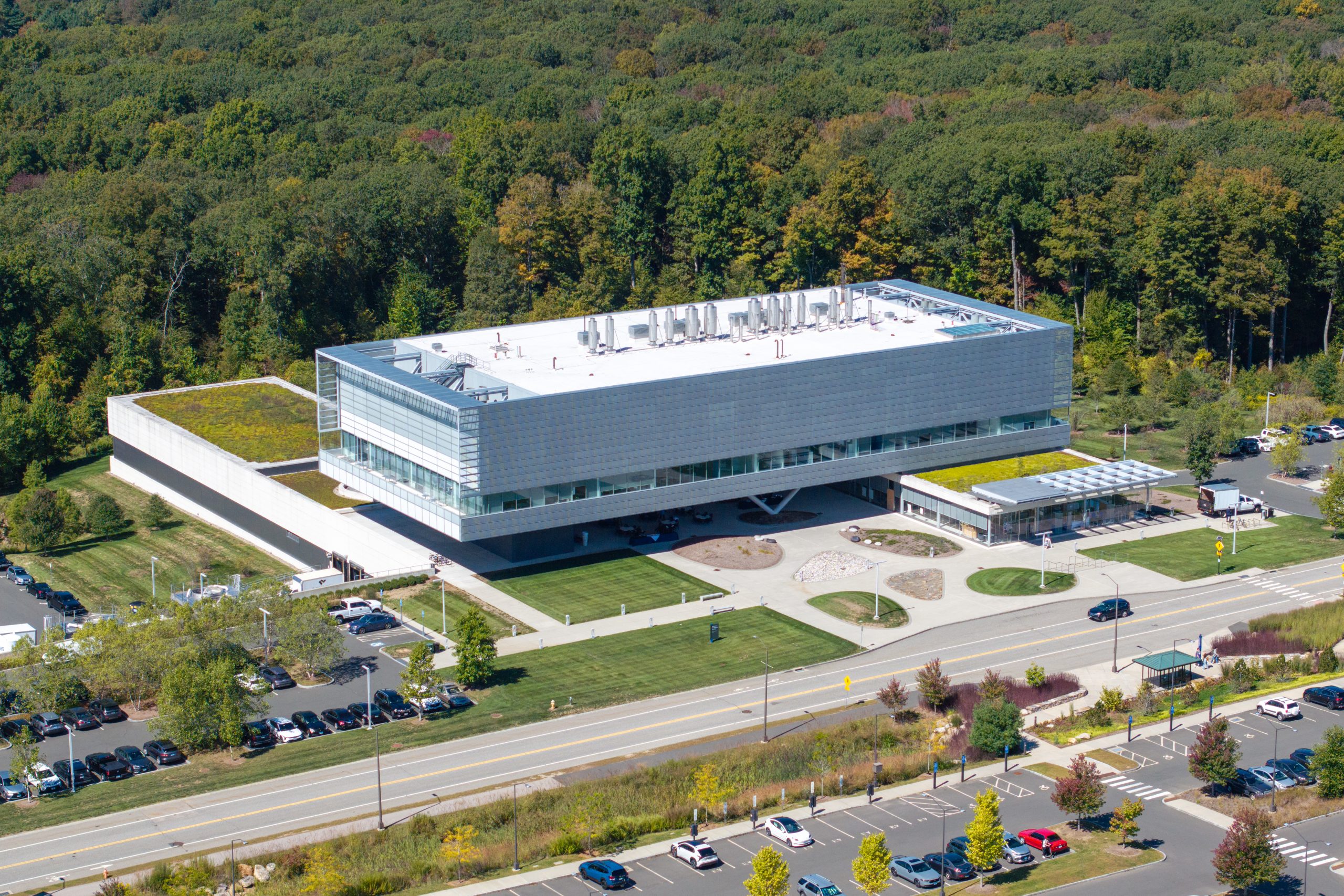
Connecticut Advanced Computing Center (CACC)
Conducts research in cybersecurity, cryptography, and advanced computing systems. Key areas include algorithms, artificial intelligence, machine learning, optimization, computational science, and secure computing technologies.
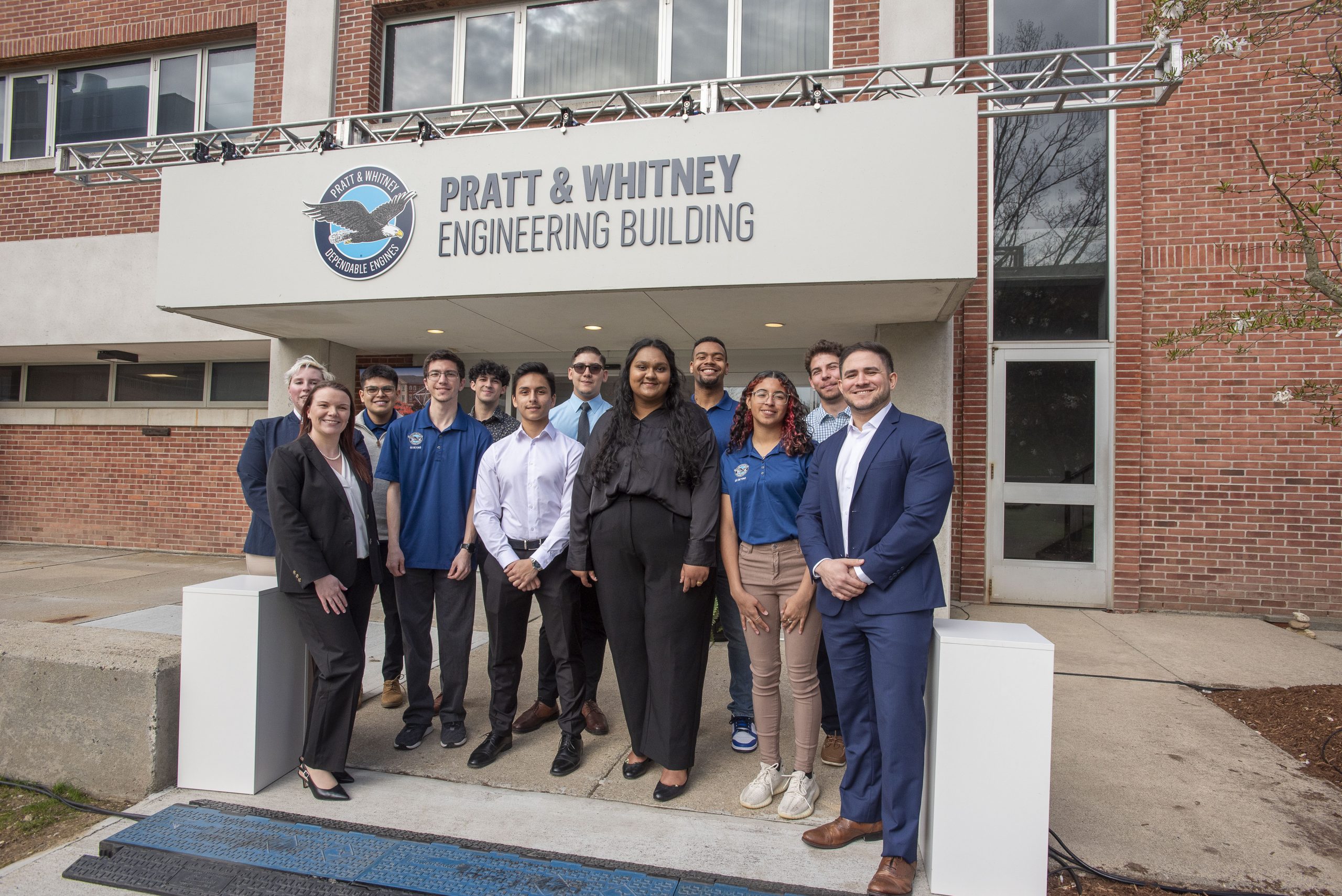
Pratt & Whitney Institute for Advanced Systems Engineering (IASE)
Focuses on research in cyber-physical systems and complex engineered technologies. Key areas include system modeling, architecture design, simulation and verification, control systems, diagnostics, optimization, and cybersecurity.
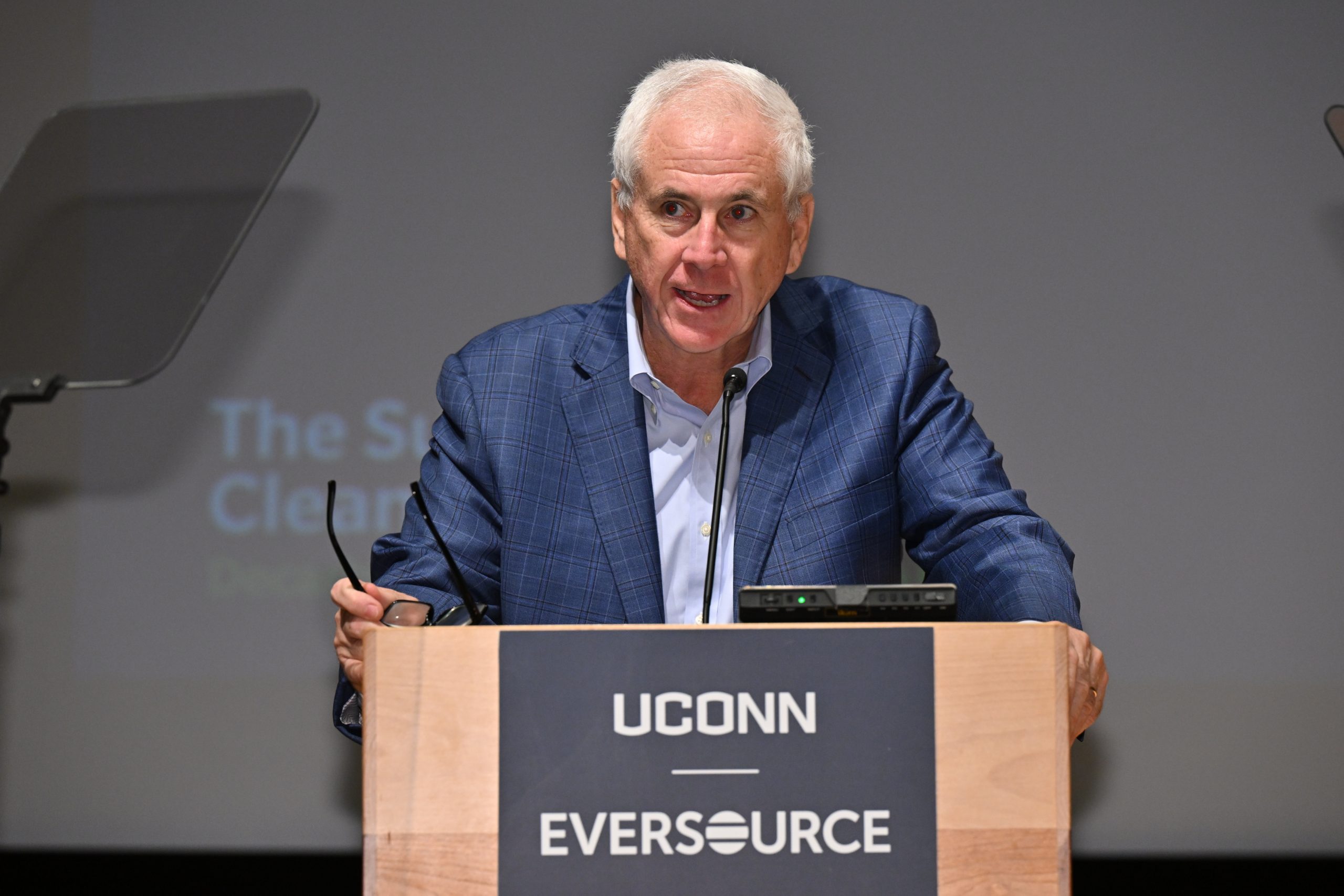
Eversource Energy Center
Advances research in reliable and efficient electric power systems and infrastructure. Key areas include storm modeling, outage prediction, grid modernization, system resilience, energy security, and renewable energy integration.
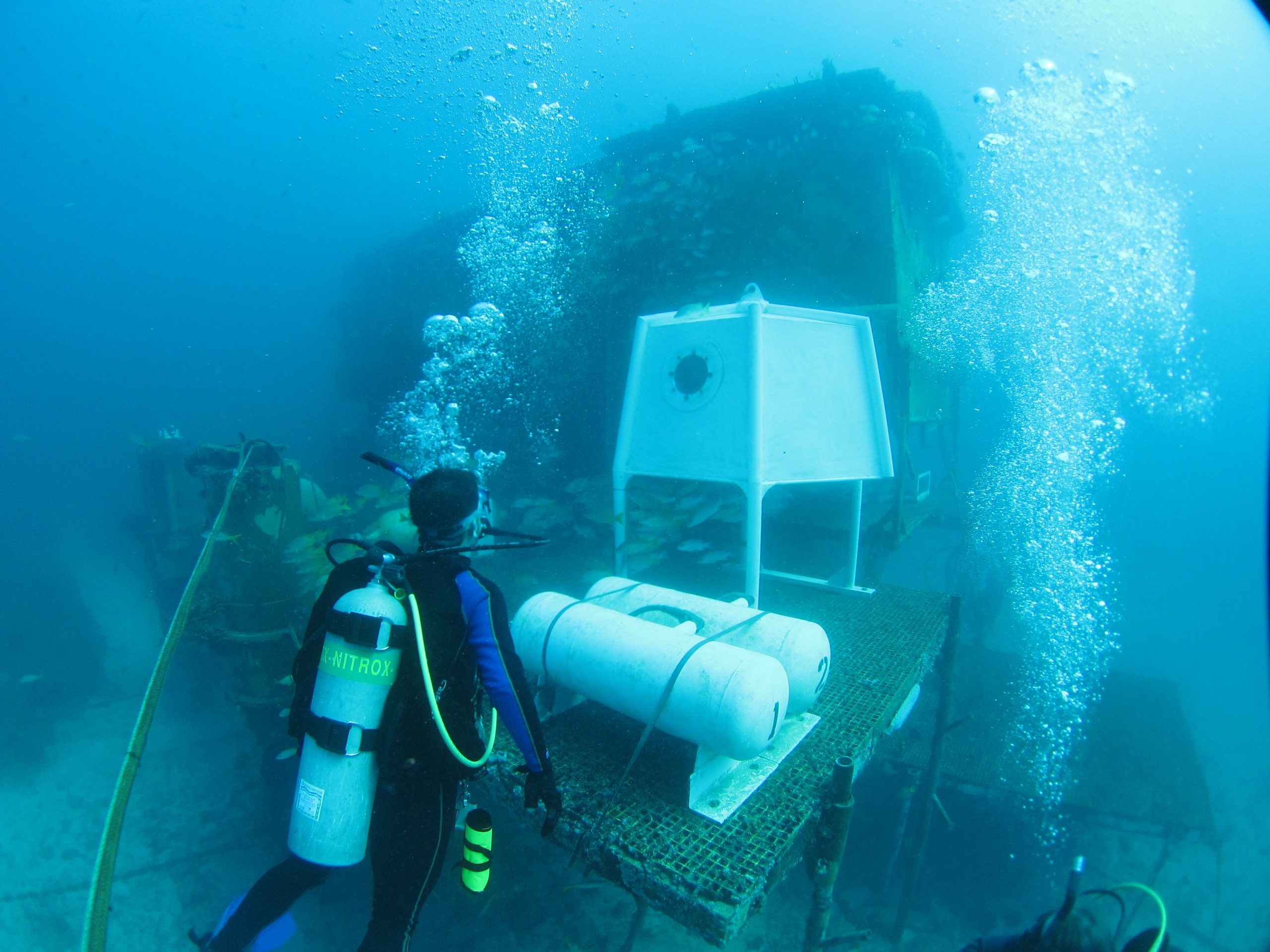
National Institute for Undersea Vehicle Technology (NIUVT)
Collaborates with the Navy to develop advanced undersea technologies and systems. Key areas include acoustics, sensing systems, signal processing, underwater energy, and unmanned underwater vehicle design.
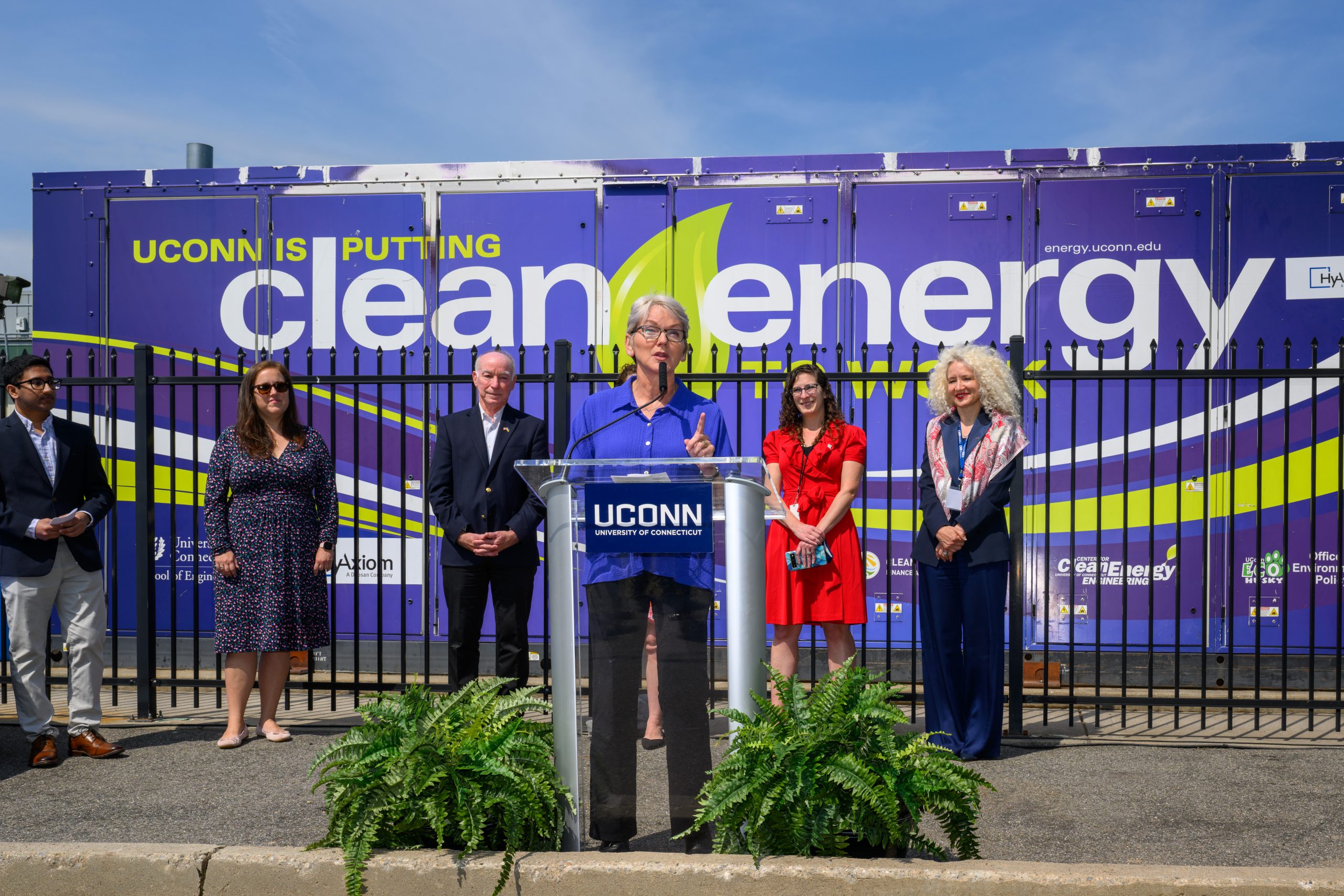
Center for Clean Energy Engineering (C2E2)
Conducts research across clean energy technologies and advanced energy systems. Key areas include energy materials, electrochemical devices, power electronics, energy conversion processes, and efficient energy storage solutions.
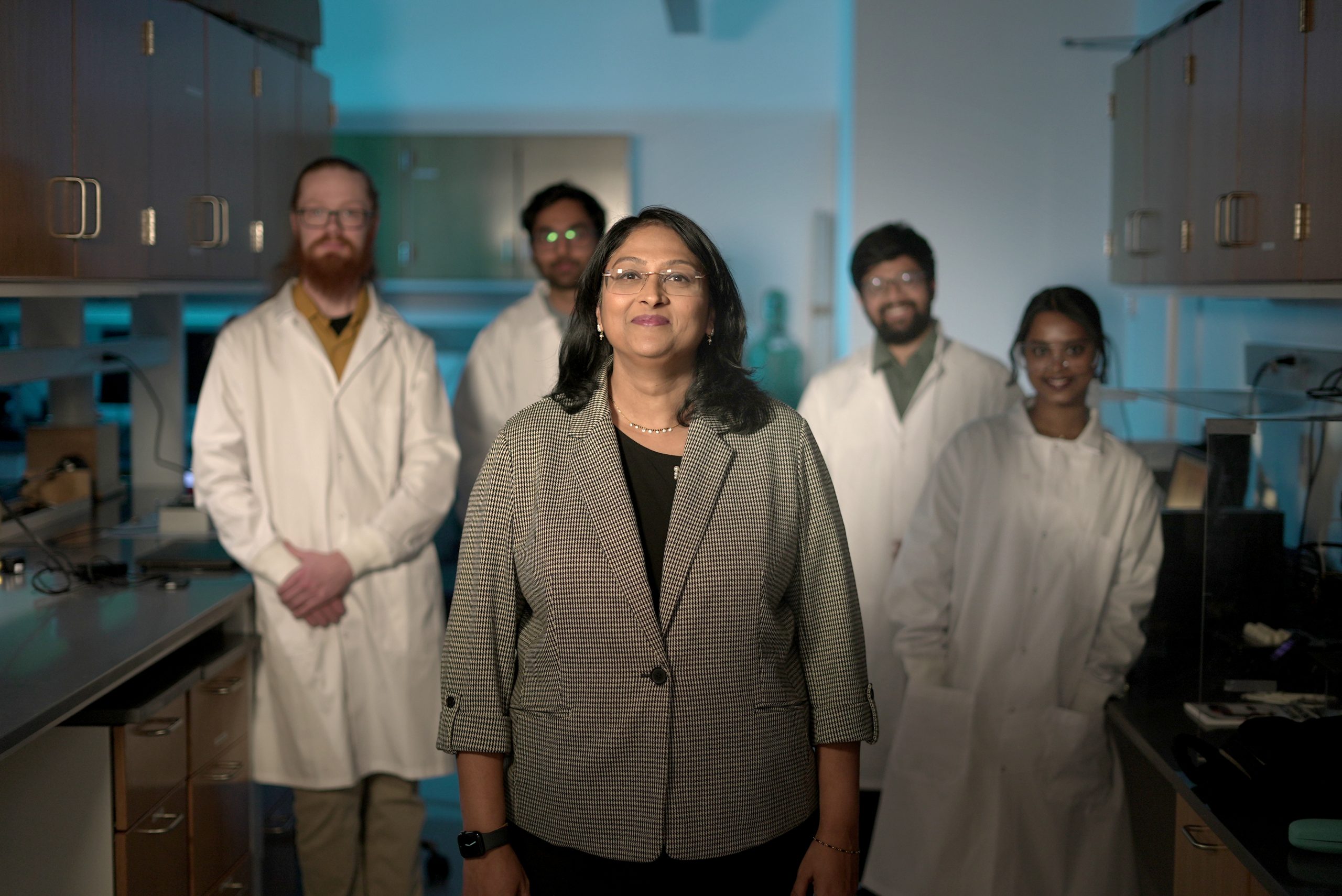
Institute of Materials Science (IMS)
Supports interdisciplinary research in materials science and engineering fields. Key areas include polymer science, chemical engineering, biomolecular engineering, mechanical systems, and advanced materials characterization techniques.
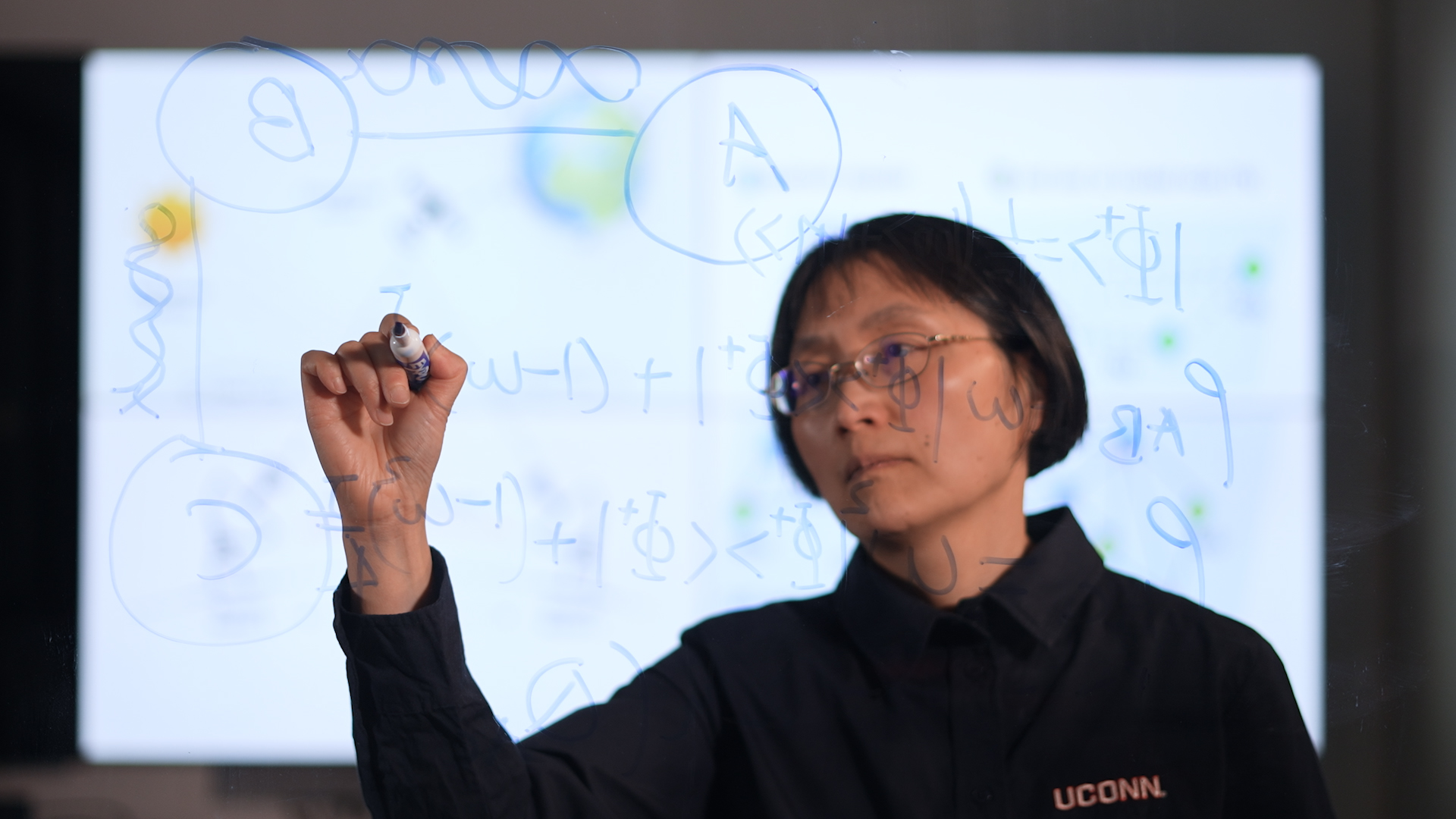
Connecticut Power Electronics Center of Excellence (CONPEX)
Develops research and partnerships supporting advanced electrical energy technologies. Key areas include power electronics, clean energy systems, grid efficiency, resilient electrical infrastructure, and collaboration with industry and government partners.