Explore Your Path in Electrical and Computer Engineering
Choose from four dynamic undergraduate majors that combine theory, hands-on experience, and real-world impact. Each program equips you with the skills to design, build, and innovate across today’s fastest-growing technologies.
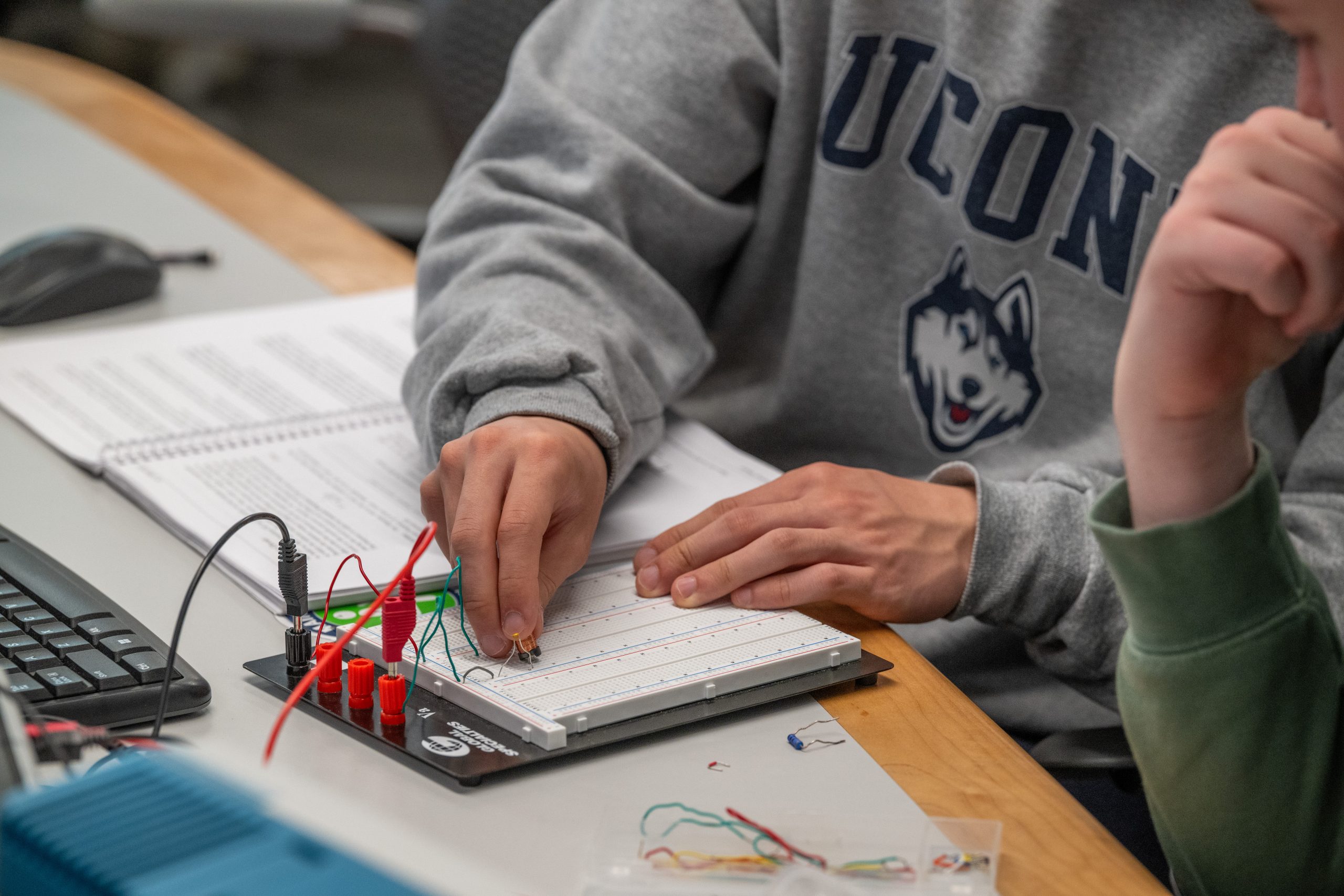
Electrical Engineering
Study the systems that power and connect our world, from energy and communications to electronics and signal processing. Build a strong foundation in circuits, electromagnetics, and modern technologies.
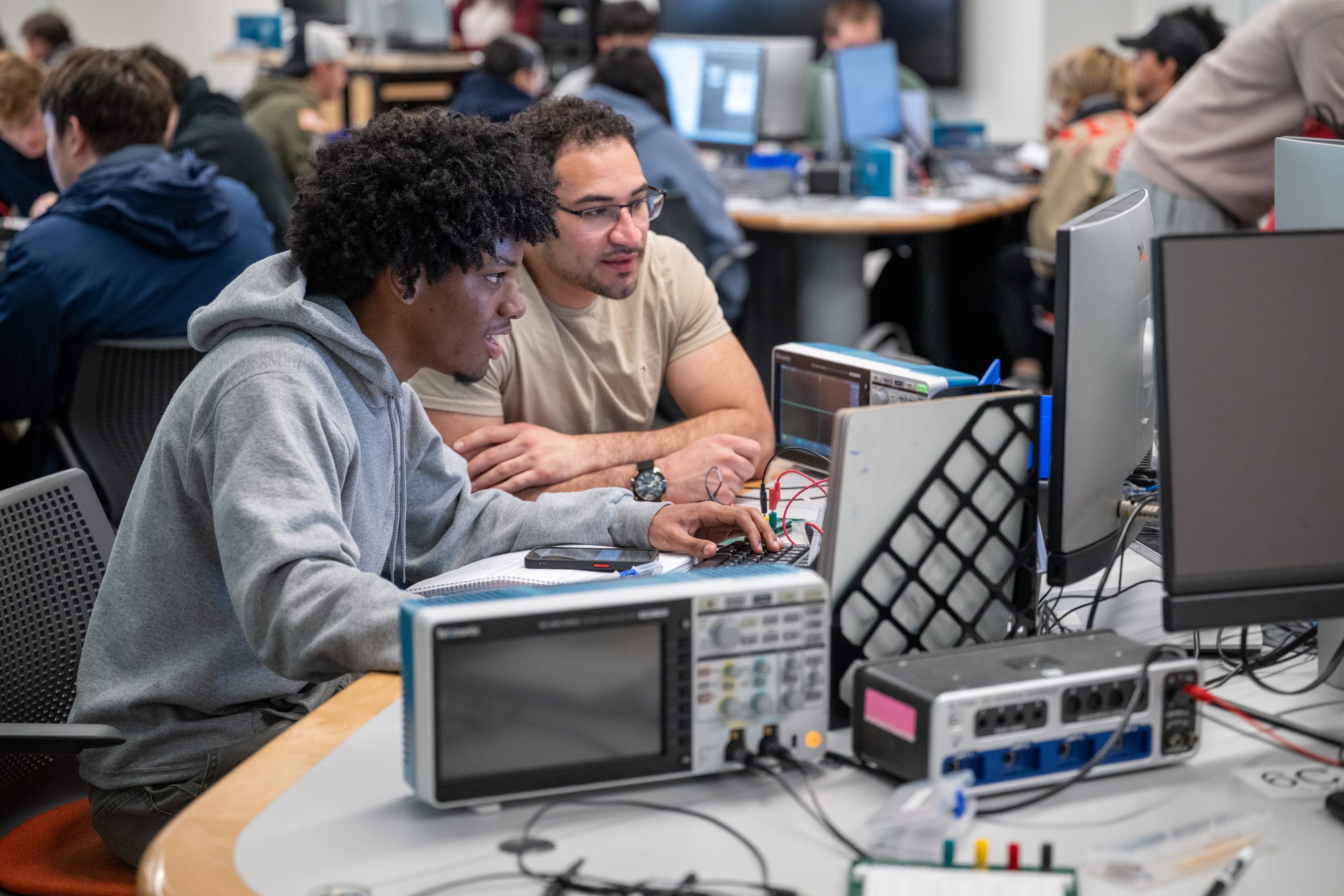
Engineering Physics
Combine advanced physics with engineering to solve complex, real-world problems and develop cutting-edge technologies. Gain a deep understanding of scientific principles and how they apply to innovation and design.

Computer Engineering
Bridge hardware and software to design and optimize computing systems, embedded devices, and networks. Develop the skills to build the technologies that power today’s digital world.

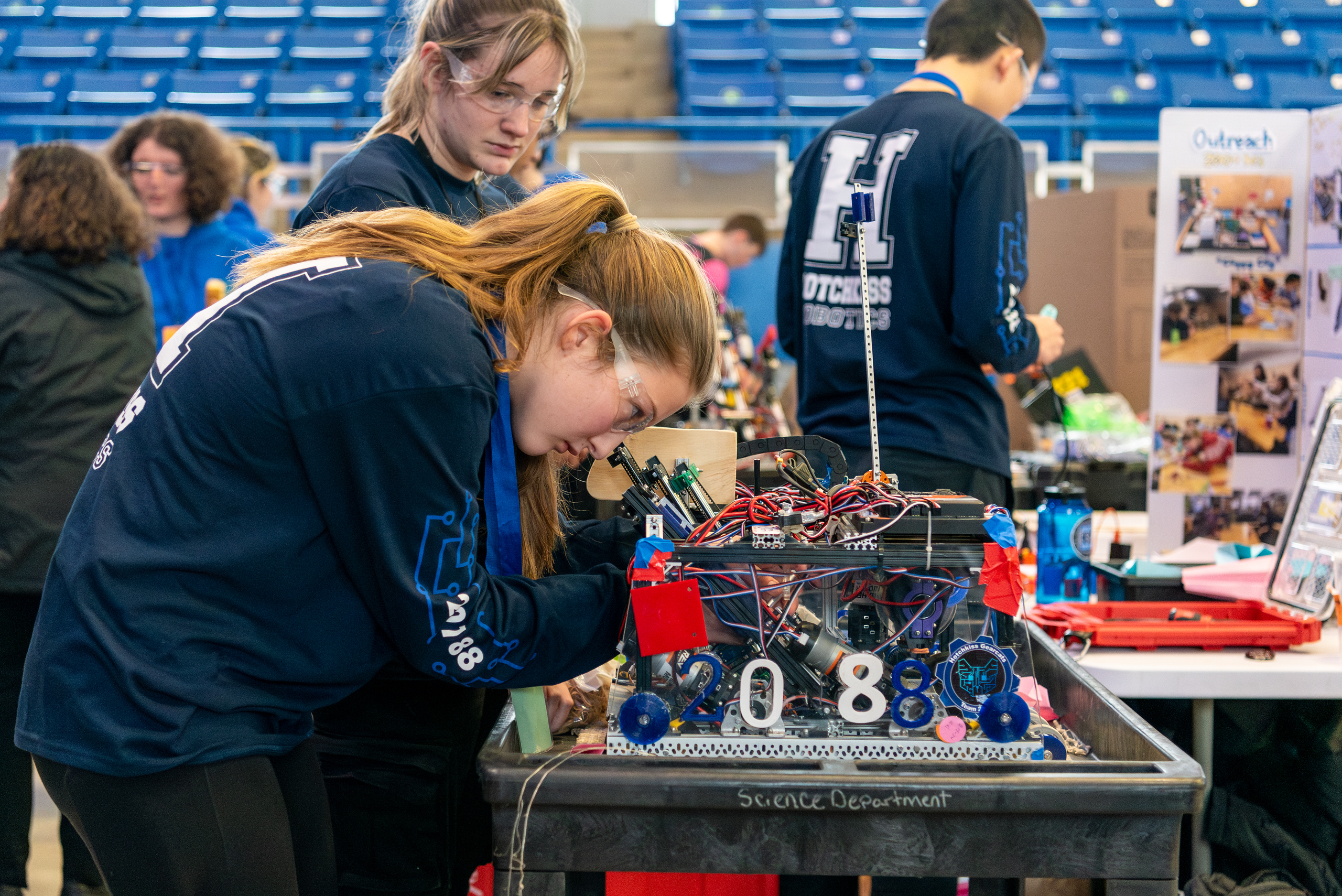
Robotics Engineering
Design, build, and program intelligent machines that interact with the physical world. Explore robotics systems that integrate electronics, computing, sensing, and control.
About the Undergraduate Program
The electrical and computer engineering program educational objectives are that our alumni or alumnae:
- Make technical contributions to design, development, and manufacturing in their practice of electrical engineering
- Advance in their professional career
- Engage in professional development or post-graduate education to pursue flexible career paths amid future technological changes

Research Opportunities and Career Applications
Computer Engineering
Computer engineering combines the power of hardware and software to create the technologies that drive today’s connected world. Students explore topics ranging from computer architecture and microprocessors to cybersecurity, networking, storage systems, and VLSI chip design. Through hands-on projects and research opportunities, they learn how complex computing systems are designed, optimized, secured, and scaled.
Graduates are prepared to develop everything from next-generation computer chips and embedded systems to secure networks, intelligent devices, and advanced computing platforms.
Robotics Engineering
Robotics engineering brings together mechanical systems, electronics, computing, and artificial intelligence to create intelligent machines capable of interacting with the world around them. Students investigate areas such as autonomous vehicles, human-robot collaboration, motion planning, machine learning, and robotic perception while gaining extensive hands-on experience designing and programming robotic systems.
These skills prepare graduates for careers in manufacturing, healthcare, logistics, autonomous transportation, and other rapidly growing industries. UConn is one of only three research-active universities in the United States to offer a bachelor’s degree in Robotics Engineering, providing students with a unique opportunity to learn and conduct research in this exciting field.
Electrical Engineering
Electrical engineering focuses on the technologies that power, connect, and shape modern society. Students study areas such as power systems, renewable energy, signal processing, communications, photonics, and control systems while gaining experience solving real-world engineering challenges.
Research opportunities span topics from sustainable energy and smart power grids to advanced sensing, biomedical instrumentation, and high-voltage technologies. Graduates go on to design innovations that improve energy systems, communications networks, aerospace technologies, consumer electronics, and countless other industries.